
One Tiny Seed: Why I Believe No One Should Go Hungry
One Tiny Seed: Why I Believe No One Should Go Hungry
An idea for feeding our families and each other through shared land, local farms, and community care.
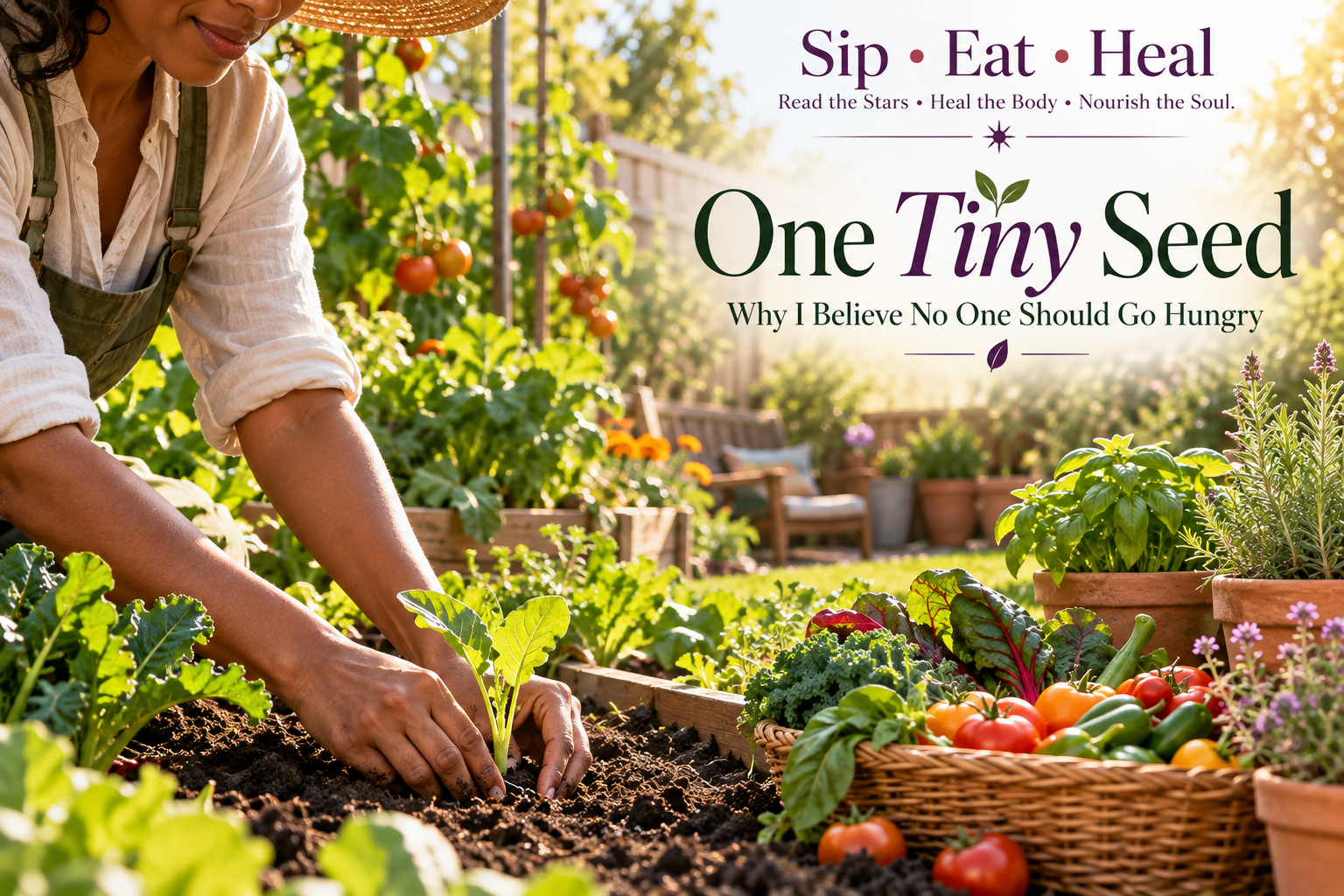
I put seeds someone gifted me into the soil, and now they’re growing. Every time I look at that little patch of green, I think about how something so small can become food.
And I’m not talking about acres of land. My garden patch is literally ten feet by four feet. I’m also growing herbs and vegetables in pots.
Watching one tiny seed grow into something we can eat makes me feel even more strongly that there is no reason anyone should go hungry. I look at the space and land around us and wonder what would happen if we made feeding ourselves and each other a shared priority.
That little garden has me imagining an entire system: families with places to grow, farmers feeding their surrounding communities, and neighbors sharing enough that a difficult season does not leave someone without a meal.
Here is what I would like to see.
A Piece of Land and a Place to Begin
My idea starts with giving every registered household access to a quarter acre of suitable growing land, with seeds selected for their region, the season, and the size of their family.
Families would also need water, tools, and someone to help them learn. Giving people the means to grow food should include giving them a fair chance to succeed.
The land could be near their homes or part of a larger community garden divided into household plots. I would want it protected for growing food, with the ability to pass that access down through generations.
Imagine children growing up knowing where their food comes from because they helped plant it. Imagine a family inheriting a place that has fed them for years.
Some people would need help tending their plots. Elders, people with disabilities, caregivers, and people working long hours could participate through shared growing arrangements. Their access to food would remain part of the plan.
Connect Every Family With Local Farms
The next part would connect households with participating farms.
Each month, families could put a portion of their grocery budget toward a food box ordered through a local cooperative. Depending on their needs and preferences, that box could include chicken, beef, eggs, or other foods produced by participating farms.
Households would order according to how many people they need to feed. Farmers would receive payment for their work and have regular customers to plan around.
The system would also need funding to cover families who cannot afford a subscription. A missed paycheck should not mean a missed month of food.
Bring Fishermen and Bakers Into the Network
Fishermen and seafood suppliers could bring safely harvested fish and seafood to the cooperative. Families could collect their orders at a scheduled pickup or arrange delivery when distance or transportation makes it difficult to attend.
Bakers could provide bread. Other local producers could offer foods that households need but do not grow or make themselves.
This would create a place where people could support the work happening around them while bringing home food their families actually enjoy.
Trade What Grows Well
Every month, the community would gather to collect orders and exchange food.
Maybe your tomatoes grew beautifully, but your beans struggled. Maybe someone else has more potatoes than they can use and would love some of your herbs. A neighbor whose garden had a bad season could receive help from people whose harvests were abundant.
The exchange could also extend between regions. People growing potatoes could connect with communities growing mangoes. Different climates would bring different foods into the network.
We would plan around what each place can produce and share across those differences.
The monthly gathering would be the main ordering and exchange day, with smaller pickups and deliveries between gatherings to keep fresh food moving.
Set Aside a Share for the Community
I would build giving into the system.
When a harvest is strong, perhaps 20 to 25 out of every 100 items could go toward the community food supply. That contribution would reflect what a household can reasonably spare after meeting its own needs.
If your harvest fails, that is your season to receive help.
The shared food would fill boxes for people who do not have land, people who cannot afford groceries, people who have been pushed out of their family homes, and people experiencing homelessness.
They would not need something to trade before they could eat. Having nothing to contribute that month would never mean having no place in the community.
Give Surplus Food Somewhere Useful to Go
I also think about vacant buildings that could become places of care.
Where buildings are suitable and can be made safe, I would want communities to explore using them for temporary housing with kitchens and food storage. Surplus from the cooperative could help stock those kitchens and provide meals for residents.
Some people need ingredients. Others need a prepared meal because they do not have a stove, refrigerator, or safe place to cook. A system designed to feed everyone has to account for both.
We would also need shared refrigeration, freezer space, dry storage, and opportunities to learn safe food preservation. A good harvest should have somewhere to go while it is still useful.
Put Our Resources Toward Feeding People
I know my ten-by-four-foot garden cannot supply everything my household needs. A quarter acre would not automatically meet every family’s needs either.
That is why my idea includes gardens, farms, fishermen, bakers, transportation, storage, and people working together. Each part would support the others.
This would take funding, planning, and ongoing care. Those are things I believe feeding people deserves.
I would rather see resources go toward families having secure access to growing land, farmers earning a fair living, and communities building dependable food networks than see more land treated only as an opportunity for profit.
There is dignity in being able to feed yourself. There is also dignity in receiving food when you need help. Both belong in the same community.
I look at my little garden and see a beginning. Someone gave me seeds. I gave them a place to grow. Now I’m watching what can happen when a small gift meets an opportunity.
Imagine how much further that could go if we made room for everyone.
Sip • Eat • Heal
Read the Stars • Heal the Body • Nourish the Soul.